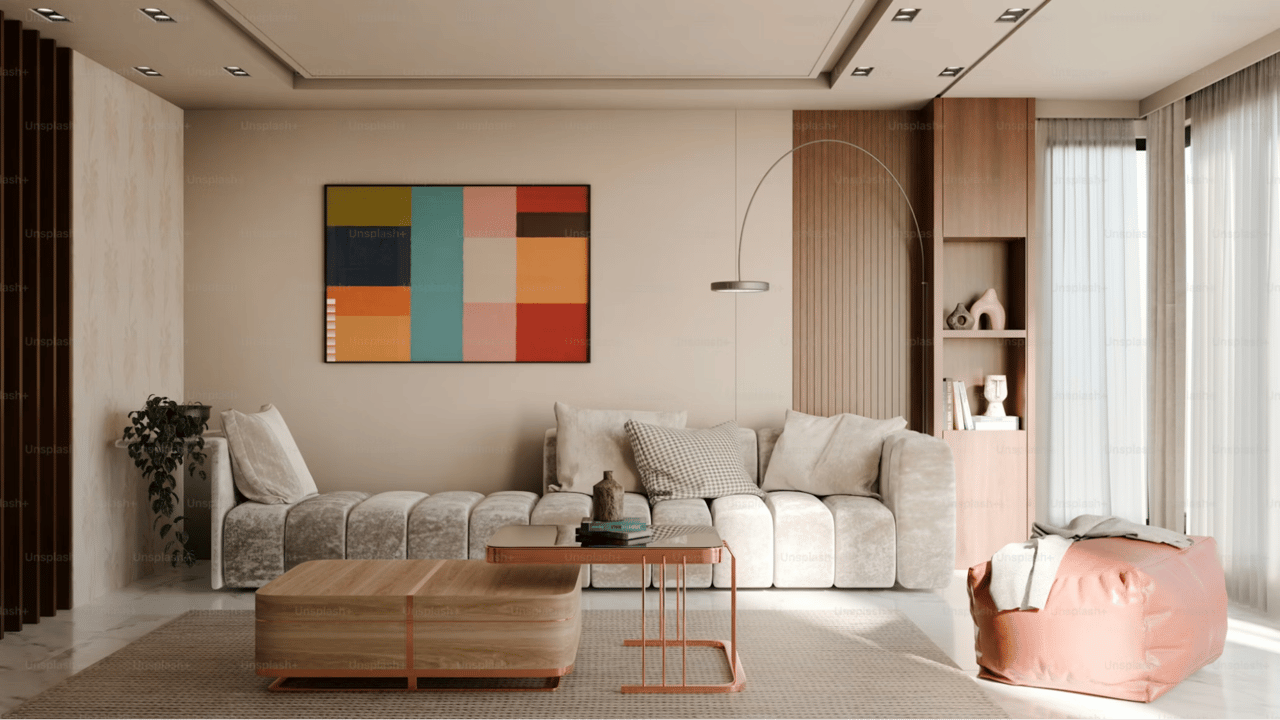
Top Interior Design Styles for Your Austin Home
Jeannie Garr Roddy June 10, 2026
Jeannie Garr Roddy June 10, 2026
Austin Luxury Real Estate & Design Architecture Guide
Austin Interior Design: Quick Summary
The dominant interior design styles in Austin real estate include Hill Country Modern (raw native limestone, cedar beams, polished concrete, expansive glass walls), Mid-Century & Organic Modern (bouclé, linen, walnut, terrazzo flooring), and Eclectic Maximalism (layered local art, vintage finds, indoor greenery). Professionally styled homes that reflect local architecture achieve higher listing engagement and superior resale value in premium neighborhoods like West Lake Hills, Barton Hills, and Travis Heights.
Austin has a design identity genuinely its own - a city that resists coastal minimalism and traditional formality equally, favoring something warmer, more eclectic, and more expressive. The interiors that work best here reflect that spirit: spaces that feel collected rather than decorated, comfortable rather than precious, and rooted in the Texas landscape without leaning into cliche.
Whether furnishing a bungalow in Travis Heights, a mid-century ranch in Allandale, or a new custom build in Barton Hills, understanding which design approaches resonate in Austin produces spaces that feel right rather than imported, while maximizing buyer appeal for future resale.
Comparing key interior design styles across Austin homes, typical architectural pairings, core materials, and buyer impact.
Design Style | Architectural Compatibility | Signature Materials & Elements | Listing & Resale Advantage |
|---|---|---|---|
Hill Country Modern | Westlake Custom Builds, East Austin Moderns, Hill Country Estates | Native limestone, cedar beams, polished concrete, floor-to-ceiling glass, sage & terracotta accents | Highest photographability, universal luxury appeal across luxury Austin buyers |
Organic Modern | Mid-Century Ranches, Contemporary Condos, Renovated In-Fill Homes | Walnut furniture, linen & bouclé fabrics, terrazzo flooring, brass sculptural lighting | Broad demographic attraction, soft warmth appeals to relocation buyers |
Eclectic & Maximalist | Travis Heights Craftsman, Bouldin Creek Bungalows, Historic Central Austin | Original local artwork, vintage furniture, statement wall colors, large indoor greenery | High emotional connection, stands out in social media & lifestyle media coverage |
Transitional Luxury | Tarrytown Estates, Pemberton Heights, Rollingwood Luxury Residences | Custom millwork, marble countertops, tailored neutral upholstery, understated hardware | Timeless valuation retention, preferred by traditional high-net-worth buyers |
Source: ATX by Jeannie Real Estate & Design Market Analysis 2026.
Design & Sell in Austin
Jeannie Garr Roddy holds both TX (767564) and CA (00941946) real estate licenses. She connects homeowners with premier local interior designers, artisan makers, and pre-listing staging strategists across Greater Austin.
Understanding how each style manifests in Austin's distinct neighborhoods helps align your interior vision with long-term equity.
Translates the rugged Texas landscape through raw native limestone, exposed cedar beams, polished concrete floors, and floor-to-ceiling glass walls that blur the line between indoor living and outdoor scenery.
Rooted in Austin's mid-century ranch architecture in Allandale and Crestview. Softens clean lines with warm walnut, bouclé linen, preserved terrazzo stone floors, and sculptural brass lighting.
Reflects Austin's vibrant music and arts culture. Combines intentional color anchors, original local artwork, vintage Texas furniture finds, and large-scale indoor greenery like fiddle leaf figs and monsteras.
Yes. Homes executed with cohesive design, authentic materials, and intentional styling photograph significantly better, attract higher listing traffic, and generate stronger competitive offers in Austin's premier neighborhoods.
The East Austin design district, the EAST arts studio tour, and local artisan markets like the Austin Flea are great starting points. Jeannie Garr Roddy also connects clients directly with trusted Austin interior designers.
Hill Country Modern and Organic Modern photograph exceptionally well due to their abundant natural light, warm neutral materials, and seamless indoor-outdoor connections.
Sources: East Austin Design District records; Unlock MLS real estate staging analysis 2026; ATX by Jeannie Interior Design Guide.
Jeannie Garr Roddy brings deep local market expertise and strategic design insight to every real estate transaction across Greater Austin.
""" ### Suggested Meta Tags * **Title:** Top Interior Design Styles for Austin Homes | 2026 Guide * **Description:** Explore top interior design styles for Austin homes. Learn about Hill Country Modern, Organic Modern, Eclectic Maximalism, & how interior choices affect home resale value with Jeannie Garr Roddy.
Stay up to date on the latest real estate trends.
With specialties in unique homes and estates, equestrian properties, and high-end condos and land, she works hard to make sure that every client is satisfied with their residential home sale.